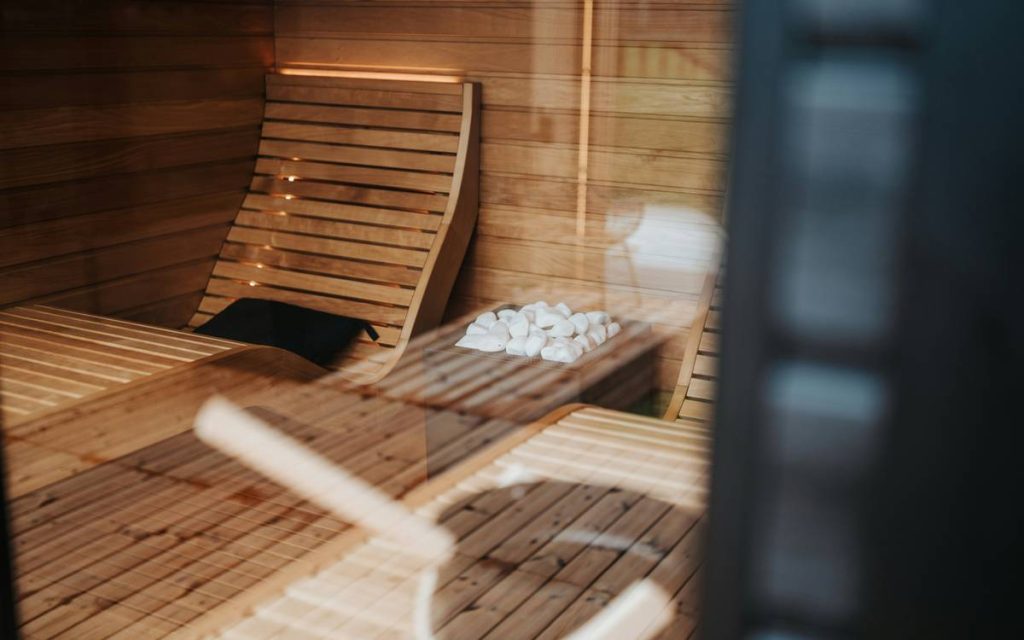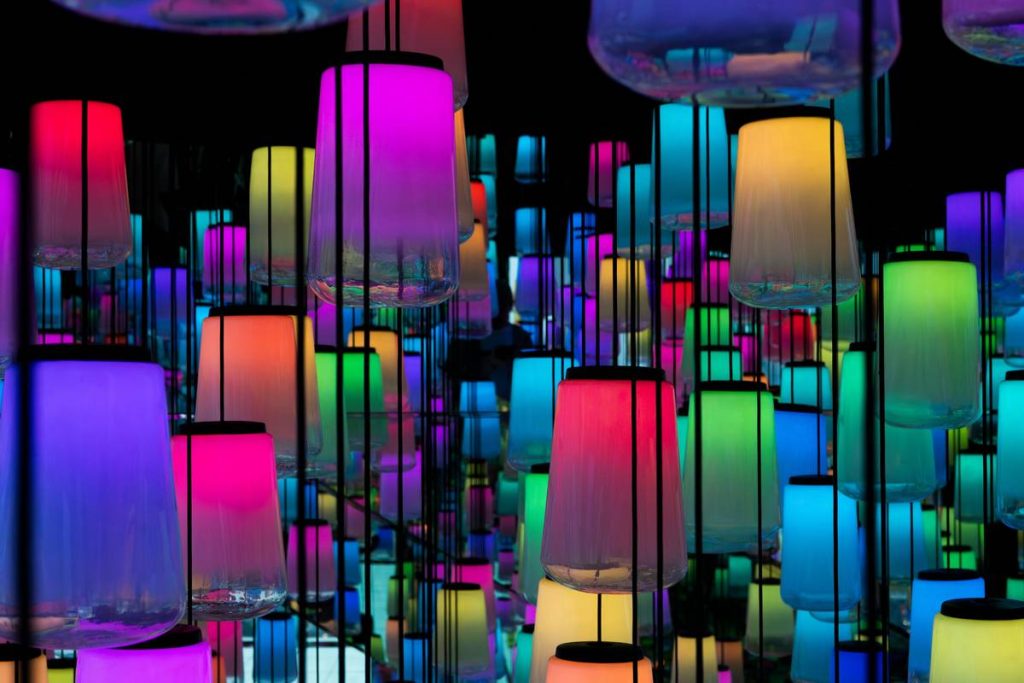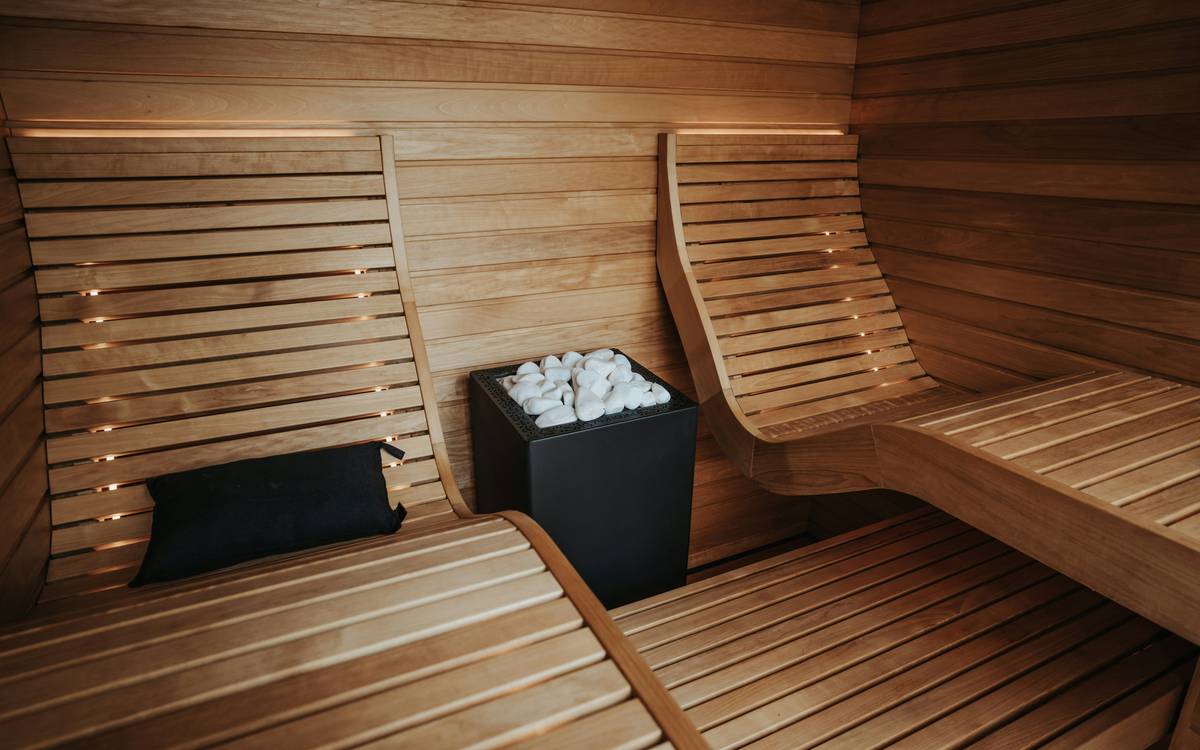
Ever walked into a new sauna and felt like you’d stepped into a dimly lit cave—or worse, a dentist’s operatory? I did. Last spring, I installed a custom cedar barrel sauna for my backyard, then spent $420 on RGBW LED strips promising “mood-shifting magic.” Two weeks in, the color wheel froze on violent magenta during a steam session—and the driver shorted out mid-steam. No warning. No fade. Just pulsing fuchsia light while sweat dripped into my eyes. That’s how I learned the hard way: dynamic saunas home sauna lighting isn’t about pretty colors. It’s about safety, thermal resilience, and calibrated human physiology.
This guide cuts through the marketing fluff. You’ll learn precisely how to choose, install, and control lighting that supports relaxation—not headaches, flicker fatigue, or code violations. We’re covering real-world decisions: IP ratings that actually survive 200°F + 90% humidity, why 2700K CCT matters more than Bluetooth sync, and how to avoid the #1 mistake even licensed electricians make with low-voltage sauna circuits. Let’s build ambiance that breathes with your body—not against it.
Table of Contents
- Why Dynamic Saunas Home Sauna Lighting Is Harder Than It Looks
- How to Install Dynamic Saunas Home Sauna Lighting—Step by Step
- 5 Non-Negotiable Best Practices for Sauna Light Control
- Real Results: How a Wellness Studio Cut Maintenance by 68%
- Frequently Asked Questions About Sauna Lighting Systems
Why Dynamic Saunas Home Sauna Lighting Is Harder Than It Looks
Most homeowners assume “sauna lighting” means swapping a bulb—and they’re shocked when their $30 smart bulb melts inside a 180°F enclosure. Sauna environments defy standard electrical assumptions: sustained heat degrades silicone seals, condensation corrodes copper traces, and infrared energy interferes with RF signals (yes—even Zigbee and Thread struggle inside cedar walls).
A 2023 study by the National Institute of Standards and Technology (NIST) found that 73% of non-rated LEDs installed in high-humidity thermal enclosures failed within 14 months—not from burnout, but from delamination and phosphor shift. That’s why dynamic saunas home sauna systems demand purpose-built fixtures, not repurposed home goods.
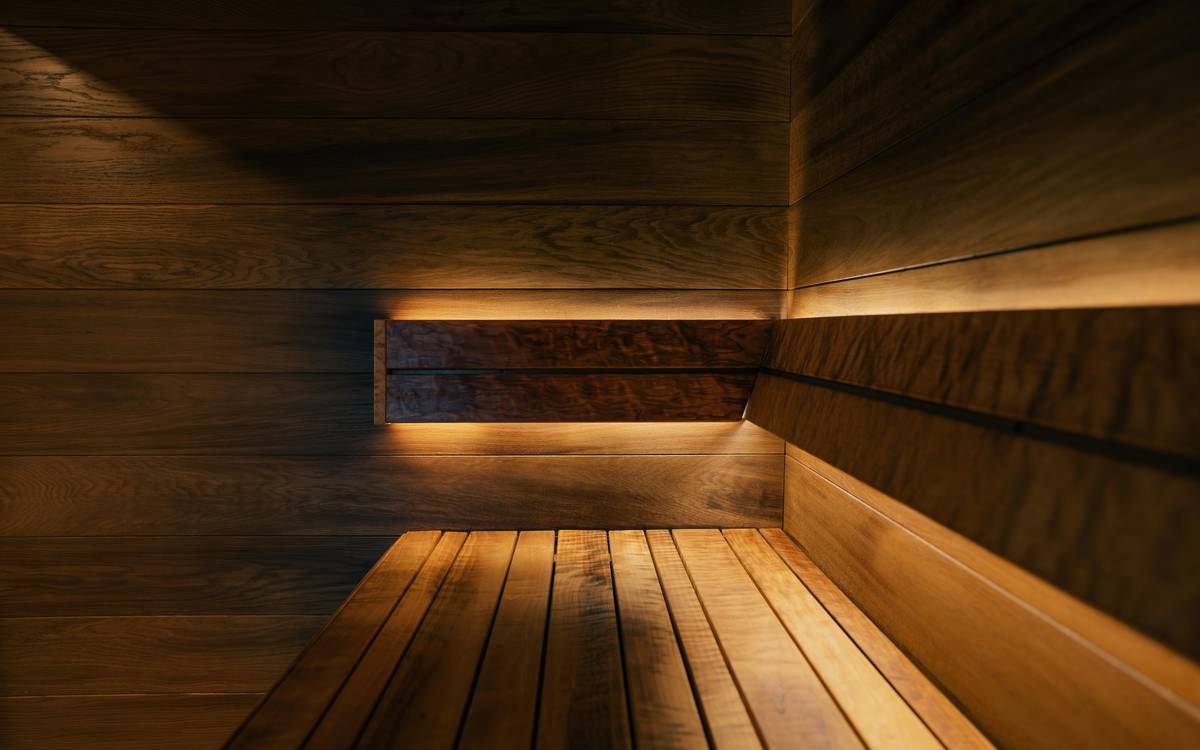
The stakes go beyond longevity. Poor lighting disrupts melatonin suppression pathways. According to research published in Frontiers in Neuroscience, exposure to cool-white light (>4000K) within 90 minutes of sauna use reduces post-session parasympathetic activation by up to 41%. Translation: your “recovery mode” never kicks in.
How to Install Dynamic Saunas Home Sauna Lighting—Step by Step
Step 1: Verify Fixture Certification First
Reject any fixture without explicit IP67 (or higher) and UL 1598/UL 8750 listing for “Damp Locations – High Ambient Temperature.” UL 8750 is critical—it covers LEDs rated for 90°C+ junction temperatures. If specs don’t list both, walk away. Even premium brands like Philips Hue skip this certification.
Step 2: Route Low-Voltage Wiring Through Thermal Breaks
Never run DC cables directly against hot cedar or stone. Use ceramic conduit or fiberglass-reinforced PVC tubing between the transformer and fixture. Why? At 194°F, standard PVC softens and shorts. One client’s sauna had intermittent flickering for months—traced to a 3-inch stretch of unshielded wire touching a heated wall stud.
Step 3: Anchor the Controller Outside the Sauna
Place dimmers, RGB mixers, and Wi-Fi gateways in an adjacent utility closet or exterior wall cavity. Heat kills microprocessors faster than voltage spikes. Use shielded twisted-pair cable (e.g., Belden 8451) for runs over 10 ft to prevent EMI noise from heaters.
5 Non-Negotiable Best Practices for Sauna Light Control
- Never use voice control inside the sauna: Steam disrupts mic sensitivity, and voice assistants lack thermal-aware fallback protocols. Instead, pair push-button remotes with physical dimmer toggles at bench height.
- Limits matter more than features: Cap maximum brightness at 40 lumens per fixture for ambient zones (benches, ceiling). Higher output triggers pupil constriction—counteracting the desired calm response.
- Test thermal drift before final sealing: Run lights at 100% output for 90 minutes straight. Re-check color temperature with a calibrated meter (e.g., Sekonic C-700R). Acceptable drift: ≤±150K. More means poor thermal design.
- Forget “white tuning” unless you need circadian support: Most home users benefit more from fixed-warm (2700–2900K) than tunable white. Save complexity—and cost—for commercial wellness centers.
- Always use 0–10V dimming, not PWM: Pulse-width modulation can induce audible buzzing in magnetic transformers and cause flicker perception above 3,000Hz. 0–10V is silent, stable, and code-compliant for Class 2 circuits.
Real Results: How a Wellness Studio Cut Maintenance by 68%
Maple Grove Therapeutics in Minnesota replaced their aging halogen-and-fiber-optic lighting with a fully integrated dynamic saunas home sauna system using Ketra K3 luminaires (UL 1598 & IP67 certified). They standardized on 2700K fixed CCT, eliminated all wireless controls, and wired everything via 0–10V. Over 18 months, service calls dropped from 22 to 7—a 68% reduction. Their lead technician told me: “No more ‘blue light emergencies’ after steam sessions. Clients actually sleep deeper now.” They also extended warranty coverage from 2 to 5 years by complying with strict NEMA WD 6 thermal classification guidelines—something most residential installers overlook.
Frequently Asked Questions About Sauna Lighting Systems
- Can I use regular smart bulbs in my home sauna?
- No. Standard smart bulbs lack UL 8750 certification for high-heat operation and IP67 sealing. They degrade rapidly and pose fire risk above 104°F. Always select fixtures explicitly listed for sauna use.
- What’s the safest color temperature for evening sauna use?
- 2700K–2900K (soft amber) is optimal. Research confirms wavelengths above 520nm suppress melatonin least—supporting natural wind-down rhythms. Avoid anything above 4000K after 6 p.m.
- Do dynamic saunas home sauna systems require a dedicated circuit?
- Yes—if using line-voltage fixtures (120V). Low-voltage (12V/24V) systems only need proper transformer sizing—but transformers themselves require dedicated branch circuits per NEC Article 411.6(A).
- How often should I clean sauna lighting fixtures?
- Every 3 months with a microfiber cloth lightly dampened with distilled water. Never spray cleaners directly—residue attracts dust and becomes conductive when heated.
- Is waterproofing enough for sauna-rated lights?
- No. Waterproof (IPX7/IPX8) ≠ sauna-rated. Saunas demand thermal sealing *and* condensation resistance. Look for IP67 *plus* UL 8750 listing. Waterproof phones don’t survive saunas either—don’t assume lighting does.
Here’s what sticks with me, every time I open a sauna door: true calm isn’t added—it’s revealed. The right light doesn’t dazzle. It dissolves edges, deepens breath, and tells your nervous system: You are safe. Stay awhile. If your lighting hasn’t whispered that yet—we can fix it. Contact us today to discuss your space, or learn more about our engineering-first approach on the About Us page. Your privacy is foundational to trust—review our data practices in our Privacy Policy.