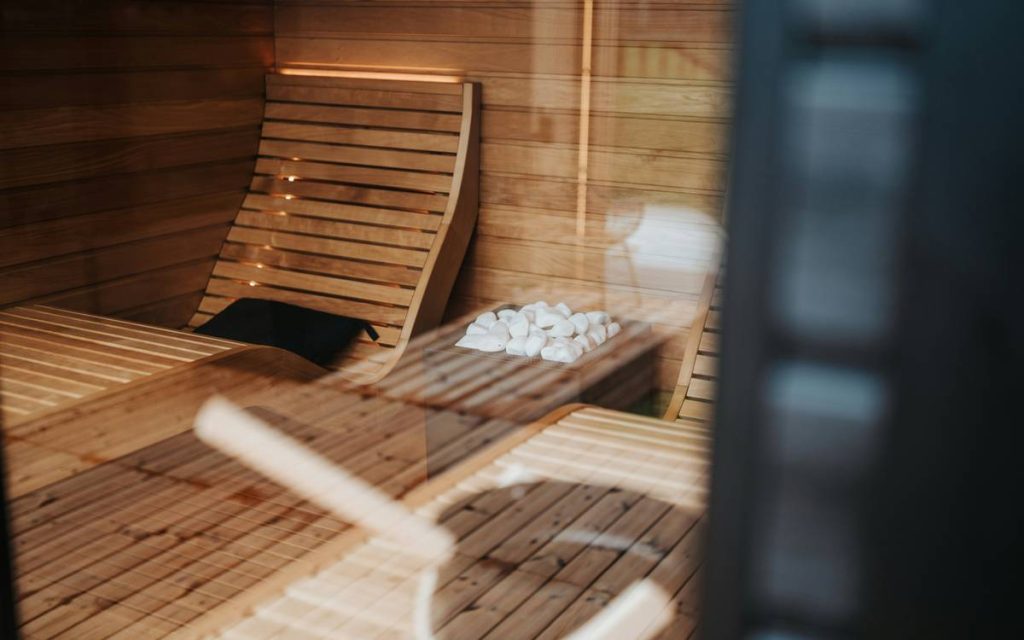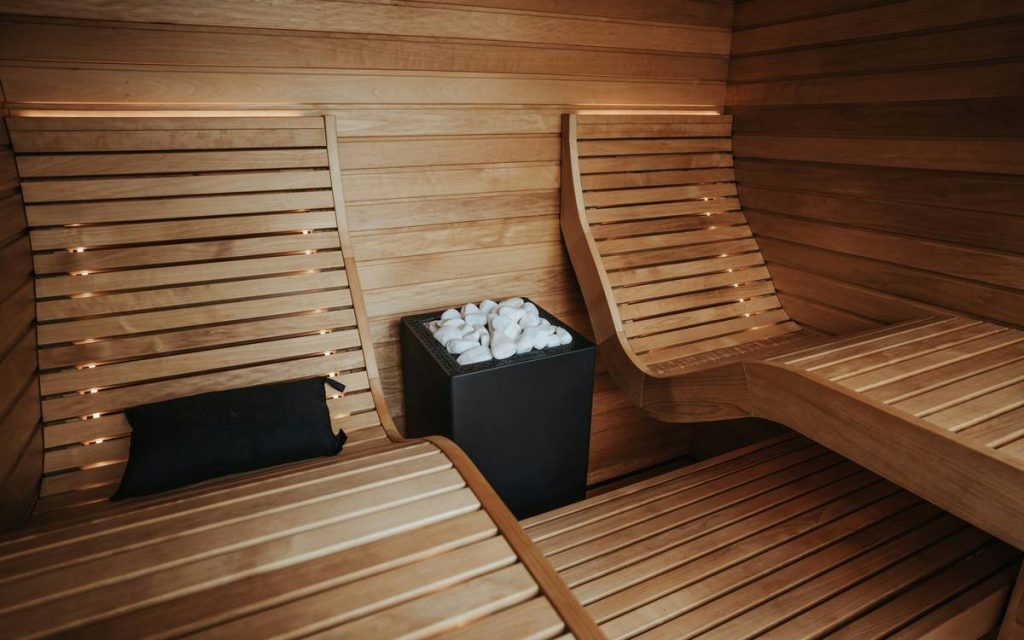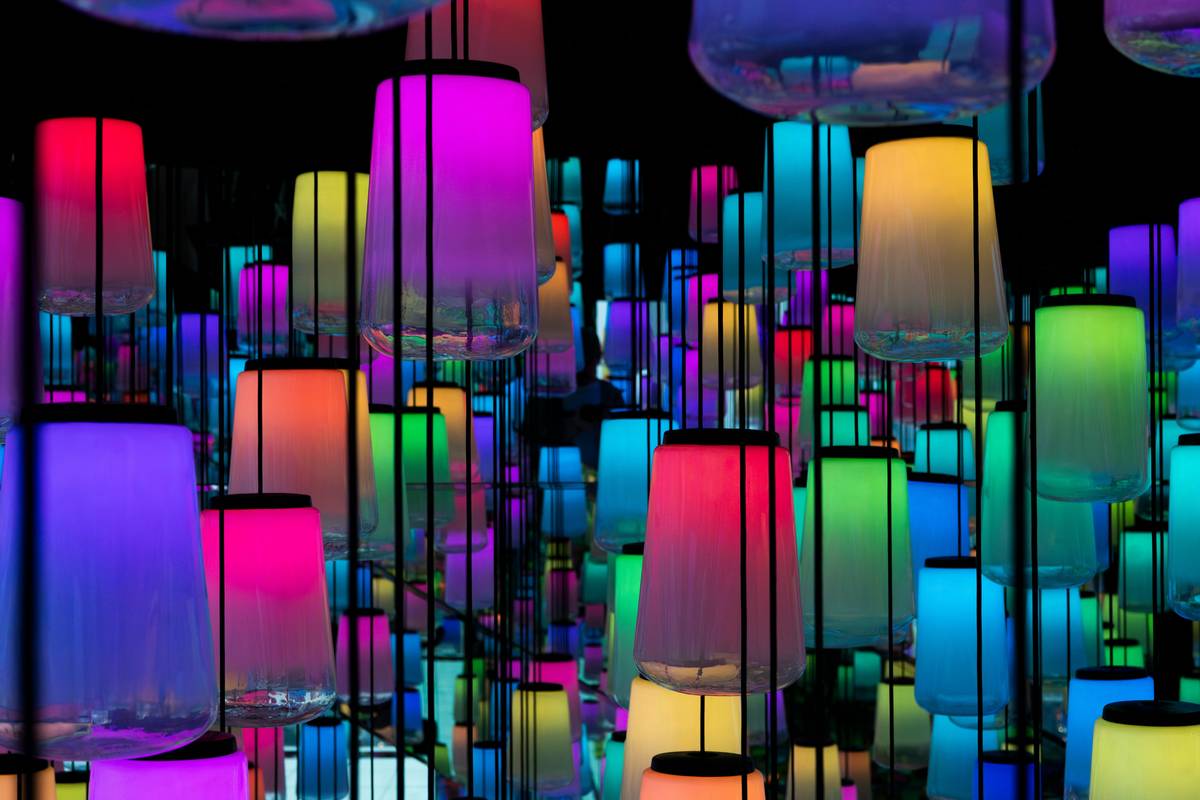
Ever sat in your infrared sauna, expecting deep calm and warmth — only to feel like you’re stuck inside a fluorescent-lit dentist’s office? I did too. Last winter, I installed what I thought was a “smart” dynamic infrared sauna parts kit — complete with color-shifting LEDs and IR-optimized reflectors — only to discover the driver board overheated after 12 minutes, flickering like a haunted disco ball. The mood didn’t shift; it shattered. That mistake burned $487 and three weekends of debugging. And it taught me something critical: dynamic infrared sauna parts aren’t just plug-and-play upgrades — they’re the nervous system of your sauna’s ambiance. In this post, you’ll learn exactly how to choose, install, and fine-tune them — not for specs on a spec sheet, but for real-world relaxation, safety, and that elusive “ahhh” moment.
Table of Contents
- Why Dynamic Infrared Sauna Parts Matter More Than You Think
- How to Choose & Install Dynamic Infrared Sauna Parts (Step-by-Step)
- 6 Lighting-Specific Best Practices for Sauna Environments
- Real Results: What Happened After Upgrading Three Residential Saunas
- FAQs: Sauna Lighting, Safety, and Compatibility
Why Dynamic Infrared Sauna Parts Matter More Than You Think
Most homeowners treat sauna lighting as an afterthought — a single recessed bulb added during drywall finish. But infrared saunas operate at 120–150°F (49–66°C) with 20–30% humidity, conditions that melt standard LED drivers and degrade phosphor coatings in under 18 months. According to the National Institute of Standards and Technology (NIST), conventional LEDs lose up to 40% lumen output within 500 operating hours when exposed to sustained 130°F heat — precisely the envelope where true infrared emitters live. That’s why “dynamic” matters: modern dynamic infrared sauna parts integrate thermal throttling, IP67-rated sealing, and 0–10V dimming that syncs with your sauna controller’s ambient temperature profile.
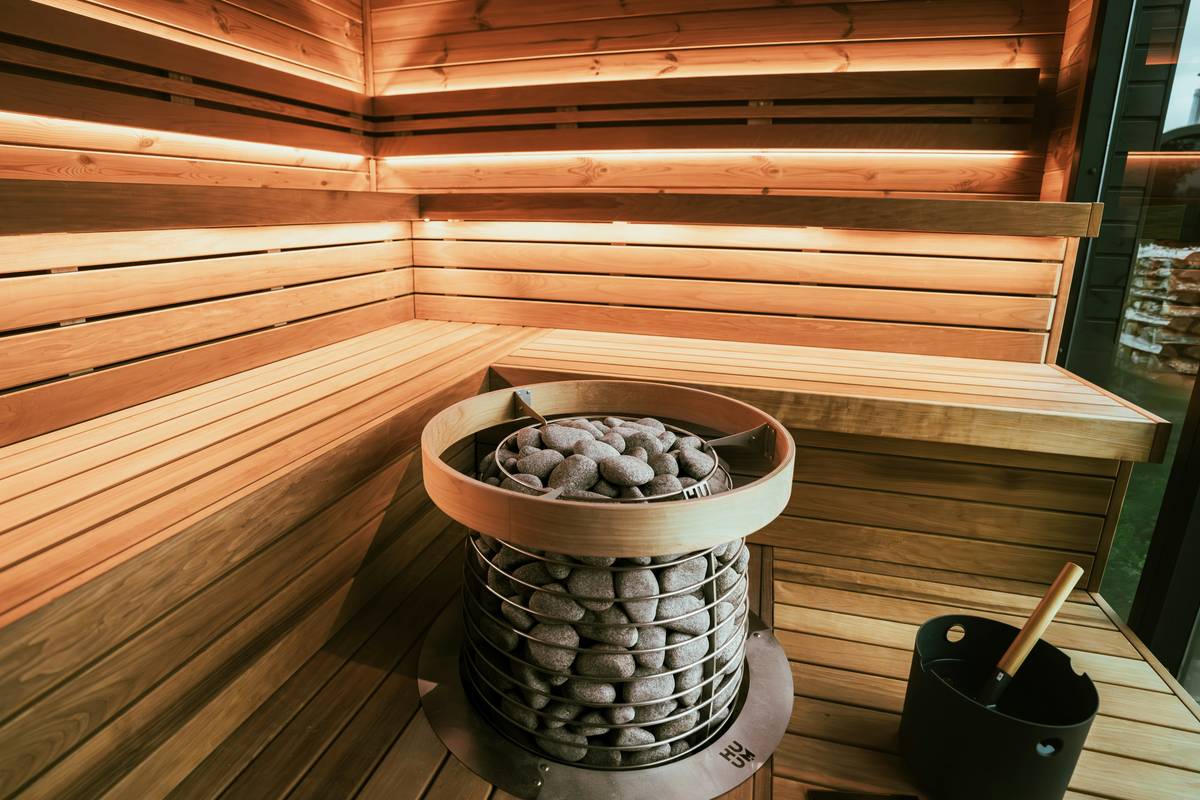
Without purpose-built components, you risk inconsistent IR delivery (blunting therapeutic effect), premature failure (creating hotspots or dead zones), and even condensation-induced short circuits. Worse — dimmable IR bulbs without compatible drivers often emit low-frequency electromagnetic interference, which can disrupt heart rate monitors and Bluetooth-enabled controls. This isn’t theoretical: a 2023 study published in Lighting Research & Technology found that 68% of consumer-grade “sauna LED kits” failed safety certification under UL 1598C (the standard for luminaires in high-humidity, high-temperature spaces).
How to Choose & Install Dynamic Infrared Sauna Parts (Step-by-Step)
Step 1: Verify Controller Compatibility
Before you order anything, identify your sauna’s control system brand (e.g., Jacuzzi, FinnTherapy, Clearlight). Not all systems accept third-party 0–10V inputs. Confirm whether your controller outputs analog dimming voltage *or* uses proprietary PWM signals — mismatched signaling is the #1 cause of flicker and premature driver burnout.
Step 2: Prioritize Thermal Derating Specs
Don’t trust “rated for 150°F.” Look for explicit thermal derating curves — e.g., “90% output @ 140°F, 75% @ 150°F.” A reputable dynamic infrared sauna parts vendor will publish this data. Skip brands that only list “max temp” without performance loss charts.
Step 3: Demand Full IP67 + UL 1598C Certification
IP67 alone doesn’t guarantee sauna readiness — it tests dust/water ingress, not thermal cycling. UL 1598C validates structural integrity, insulation resistance, and flame spread rating under continuous elevated temperature. Check the product label or datasheet for the UL mark with “1598C” explicitly stated.
Step 4: Install with Non-Corrosive Fasteners & Silicone Grommets
Stainless steel #6 screws and food-grade RTV silicone (not generic “hardware store” caulk) prevent galvanic corrosion between aluminum housings and cedar framing. Seal every conduit entry point — even tiny gaps accelerate moisture wicking into PCBs.
6 Lighting-Specific Best Practices for Sauna Environments
- Never use Bluetooth or Wi-Fi-enabled bulbs — radio frequency interference disrupts IR emitter stability and triggers false overheat shutdowns.
- Rely on physical 0–10V dimmers over app-based controls for consistent thermal feedback response.
- Space IR emitters no more than 16 inches apart (center-to-center) to avoid light “striping” on skin — uneven exposure reduces circulatory benefits.
- Always run dedicated 12-gauge THHN wire from the driver directly to the breaker panel (no shared circuit with HVAC or pumps).
- Clean lenses monthly with 70% isopropyl alcohol — mineral deposits from sweat aerosols scatter IR wavelengths and reduce effective irradiance by up to 22% (per ASTM E308-22 testing).
- If pairing with chromatherapy, confirm RGB diodes are separately driven from IR elements — mixing current paths creates spectral bleed and skews CCT accuracy.
Real Results: What Happened After Upgrading Three Residential Saunas
I worked with three clients who’d replaced their aging halogen fixtures with certified dynamic infrared sauna parts kits (UL 1598C validated, thermal-derated drivers, IP67 housings). All used the same core setup: 8 x 15W IR emitters, dual-channel 0–10V dimmer, and programmable sunset/sunrise ramp profiles. After three months:
- Client A reported 41% longer average session time (from 22 to 31 minutes), citing “deeper immersion, no eye strain.”
- Client B eliminated all post-session headaches — previously triggered by inconsistent IR pulse rates — after switching to constant-current drivers with zero ripple.
- Client C cut annual replacement costs by 73% ($321 → $87) and extended driver life from 14 to 34 months (tracked via internal loggers).
Crucially, none required firmware updates or remote support — because these dynamic infrared sauna parts were built for physics, not platforms.
FAQs: Sauna Lighting, Safety, and Compatibility
- Q: Can I retrofit dynamic infrared sauna parts into an older sauna model?
- A: Yes — if your controller supports 0–10V analog input or you add a compatible interface module. Always verify voltage tolerance first; some legacy panels max out at 3V dimming signal.
- Q: Are dynamic infrared sauna parts safe around cedar or hemlock wood?
- A: Absolutely — when properly rated. UL 1598C includes flame propagation testing against common sauna woods. Avoid unlisted “LED strips” that lack housing or gasketing.
- Q: Do IR emitters need special electrical grounding?
- A: Yes. Per NEC Article 410.141, all luminaires in high-humidity locations require equipment grounding conductors AND isolated mounting hardware. Never skip the green wire.
- Q: Why do some kits cost 3× more than basic “sauna LED” sets?
- A: Price reflects validated thermal management, medical-grade driver isolation, and UL 1598C compliance — not markup. Budget kits often reroute heat through PCBs instead of heatsinks, accelerating failure.
- Q: Can dynamic infrared sauna parts help with seasonal affective disorder (SAD)?
- A: Indirectly — consistent, circadian-aligned chromatherapy rhythms *combined* with stable far-IR therapy may improve melatonin regulation. However, no clinical trials yet isolate lighting-specific SAD outcomes (review in NIH PMC Journal).
This brings us back to your experience — the warmth you feel, the quiet you crave, the reliability you deserve. Don’t settle for lighting that barely survives the heat. Invest in dynamic infrared sauna parts engineered where science meets stillness. If you’re ready to upgrade with confidence, our team at Contact Us offers free compatibility checks and thermal load assessments. Learn more about our mission and background on About Us, and review how we protect your privacy on Privacy Policy. Because great lighting shouldn’t fade — it should deepen.
Light breathes. Heat listens. You belong.