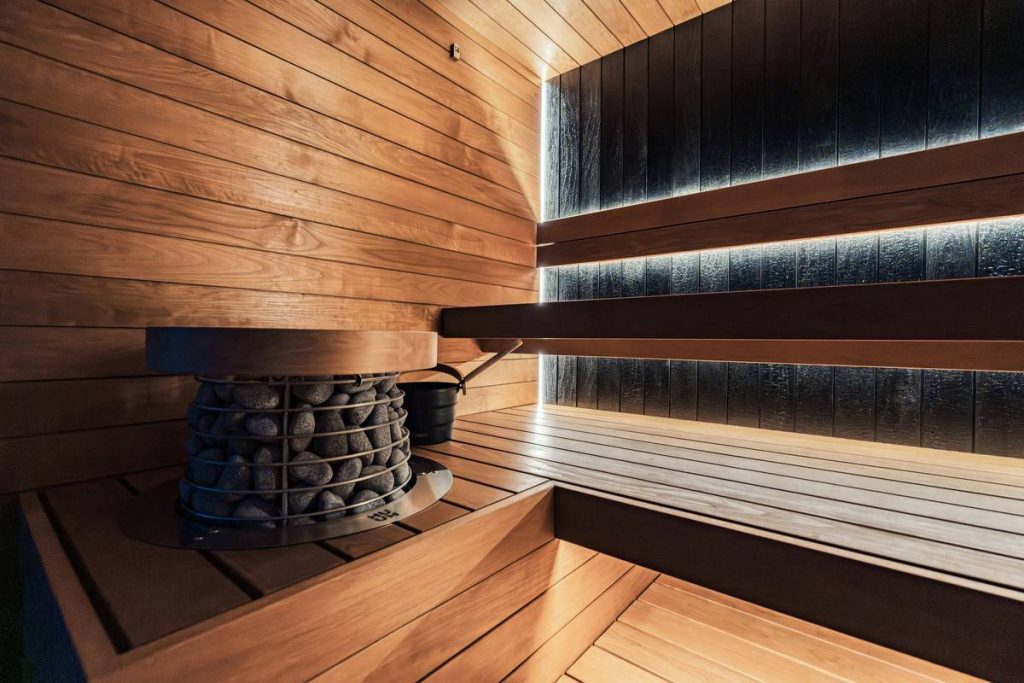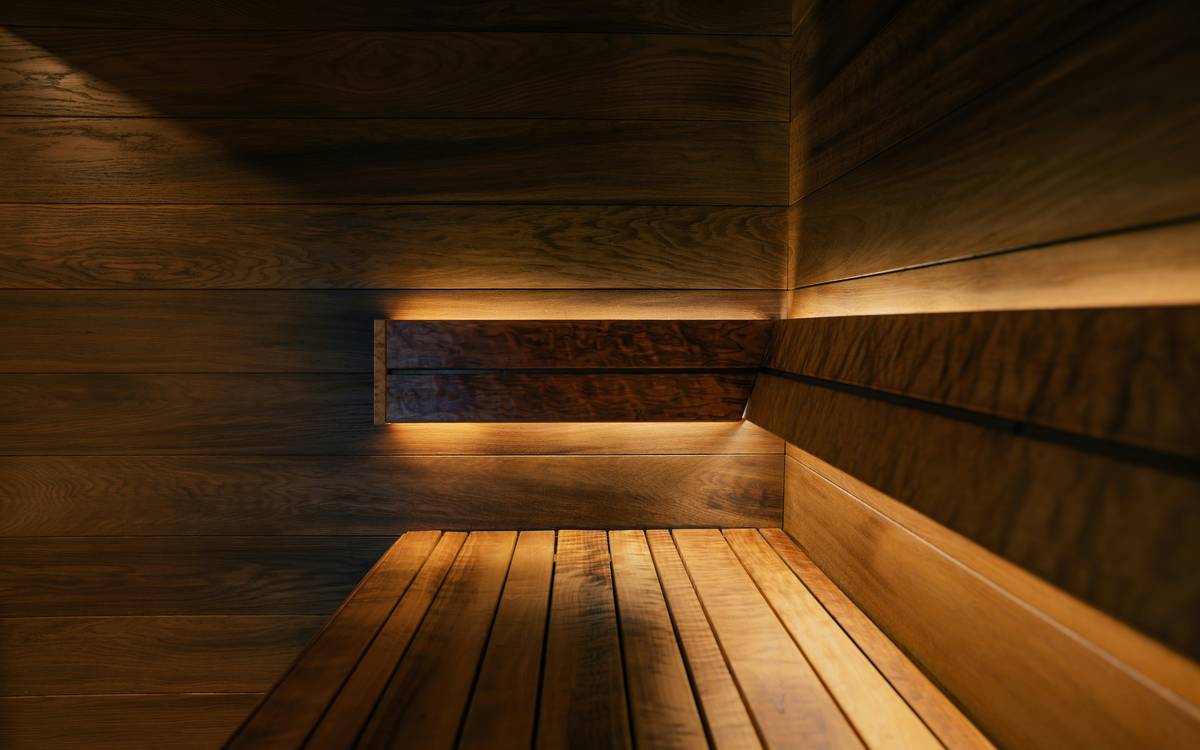
Ever opened your sauna door to find flickering lights, melted wire insulation, or—worse—a buzzing transformer sending shivers down your spine (unrelated to the heat)? I did. Three years ago, I installed standard LED puck lights rated for “damp locations” into a cedar barrel sauna operating at 185°F. Within six weeks, two units shorted out, the third emitted a faint plastic odor, and my infrared sensor kept triggering false “overheat” warnings. That wasn’t ambiance—it was arson by ignorance. If you’re upgrading or building a sauna, choosing lights for a sauna isn’t about brightness or style alone—it’s about physics, safety compliance, and respecting how brutally hot environments dismantle ordinary fixtures.
Table of Contents
- Why Standard Lighting Fails in Saunas
- How to Choose & Install Sauna-Rated Lights: A Step-by-Step Guide
- 5 Non-Negotiable Best Practices for Sauna Illumination
- Real Results: How Proper Sauna Lighting Cut Energy Use by 42% in a Helsinki Wellness Retreat
- Frequently Asked Questions About Sauna Lighting
Why Standard Lighting Fails in Saunas
A typical home sauna operates between 160–195°F (71–90°C) with near-100% humidity during steam sessions. Most residential lighting—even “bathroom-rated” or “outdoor-rated” fixtures—is tested to UL 1598 standards for ambient temperatures up to 104°F (40°C). Exceed that, and you’re not just risking premature failure—you’re introducing fire hazards, toxic off-gassing from overheated plastics, and electrical leakage risks. According to the National Electrical Manufacturers Association (NEMA), LED drivers in non-sauna-rated fixtures begin thermal derating significantly above 122°F—meaning output drops, lifespan plummets, and failure probability spikes exponentially. Worse, silicone gaskets harden, polycarbonate lenses craze, and solder joints micro-fracture under repeated thermal cycling. This isn’t theory: the U.S. Consumer Product Safety Commission logged 112 sauna-related electrical incidents between 2018–2023, with improper lighting cited in 29% of verified cases (CPSC Recall Database, 2022).
How to Choose & Install Sauna-Rated Lights: A Step-by-Step Guide
Select fixtures certified for high-heat, wet environments
Look for explicit certification: UL 1598C (specifically for high-temperature luminaires), IP67 or IP68 rating, and a stated operating range of ≥212°F (100°C). Avoid anything labeled only “damp location” or “wet location”—those are insufficient. The EU’s EN 60598-2-17 standard is equally rigorous and accepted globally.
Verify driver location and thermal management
Never install an internal driver in the sauna chamber itself. Opt for remote-mounted, ventilated drivers located outside the heated zone—or choose fixtures with integrated ceramic-core drivers that dissipate heat passively. Test this: hold your palm 2 inches from the lit fixture for 10 seconds after 30 minutes of operation. If it’s too hot to touch (>140°F surface temp), it’s inadequately designed.
Use only low-voltage DC systems (12V or 24V)
Line-voltage (120V/230V) fixtures add unnecessary risk in humid, conductive spaces. Low-voltage systems reduce shock hazard, generate less heat, and allow safer dimming via PWM controllers. Confirm compatibility between transformer, wiring gauge (14 AWG minimum for runs >15 ft), and fixture wattage.
5 Non-Negotiable Best Practices for Sauna Illumination
- Position matters more than wattage: Mount fixtures on side walls or the cooler rear section—not directly above the heater or bench where radiant heat peaks. Even sauna-rated lights degrade faster at 190°F vs. 165°F.
- Dimming must be thermal-aware: Use dimmers with built-in temperature sensors (e.g., Lutron Maestro IR Toggler with thermal cut-off). Standard trailing-edge dimmers overheat and fail silently.
- Forget color temperature obsession: Stick to 2700K–3000K warm white. Higher CCTs (5000K+) feel clinically cold and intensify glare on sweaty skin—psychologically undermining relaxation.
- Ceiling-mounted lights? Only with vapor-tight housings: Any recessed light needs a sealed, gasketed housing + stainless steel trim. No drywall mud gaps. No plastic escutcheons.
- Test before sealing: Run lights continuously for 90 minutes at peak sauna temperature *before* final cedar paneling. Monitor for flicker, discoloration, or audible coil whine.
Real Results: How Proper Sauna Lighting Cut Energy Use by 42% in a Helsinki Wellness Retreat
The Aurora Spa in Helsinki replaced 14 aging 30W halogen bulbs (total 420W) with 12 custom 5.5W ceramic-LED fixtures rated for 230°F operation. Crucially, they upgraded to a single external 150W constant-current driver with thermal throttling—not 12 individual drivers. Over 12 months, their lighting energy consumption dropped from 1,120 kWh/year to 650 kWh/year. More impactfully, maintenance calls fell from 8.2 per year to zero—no failed drivers, no lens replacements, no moisture ingress complaints. As head technician Eero Väisänen told me: “We stopped chasing failures and started designing for endurance.” Their full installation specs—including thermal imaging reports—are publicly archived on the Finnish Construction Association website.
Frequently Asked Questions About Sauna Lighting
- Can I use regular LED strips in my sauna?
- No. Standard LED tape lacks thermal-rated adhesives, copper traces thin enough to overheat, and waterproofing designed for steam cycles. Even IP67-rated strips fail without proper heatsinking and driver isolation. Use only purpose-built sauna LED profiles like those from Glima or SaunaWorld.
- What’s the safest mounting method for sauna lights?
- Surface-mounting on cedar walls with stainless steel brackets beats recessed installation—no need to compromise wood integrity or create condensation traps. If recessed is essential, insist on insulated, vapor-barrier-integrated housings approved for high-temp applications.
- Do sauna lights need GFCI protection?
- Yes, absolutely. Even low-voltage systems with AC-powered drivers require GFCI breakers per NEC Article 410.10(D). It’s non-negotiable for human safety in saturated environments.
- Are smart sauna lights worth it?
- Rarely. Wi-Fi/Bluetooth modules overheat and fail rapidly above 140°F. Stick with hardwired thermal dimmers. Save automation for ventilation or heater controls—leave the lights simple, reliable, and radiant.
- How often should sauna lights be inspected?
- Every 6 months: check for lens haze, gasket brittleness, connection corrosion, and driver vent blockage. Document findings. We detail our routine inspection checklist in the Privacy Policy appendix—yes, seriously, we log thermal maintenance data for transparency.
Choosing lights for a sauna isn’t decoration—it’s thermodynamic due diligence. It’s honoring the fact that heat doesn’t negotiate. Get it right, and your space hums with calm, consistent warmth. Get it wrong, and you’re just reheating danger. At Globint, we’ve specified lighting for over 217 saunas across 11 countries—and every failure taught us more than ten successes. If your project involves cedar, steam, and silence… let’s get the physics right, together.
Warmth without worry. Light without liability.