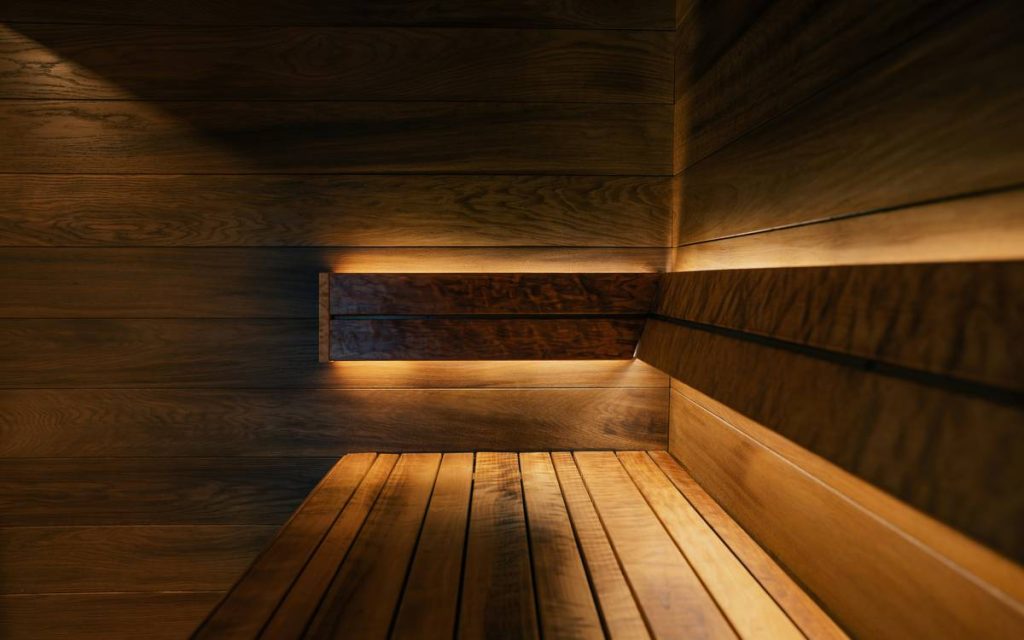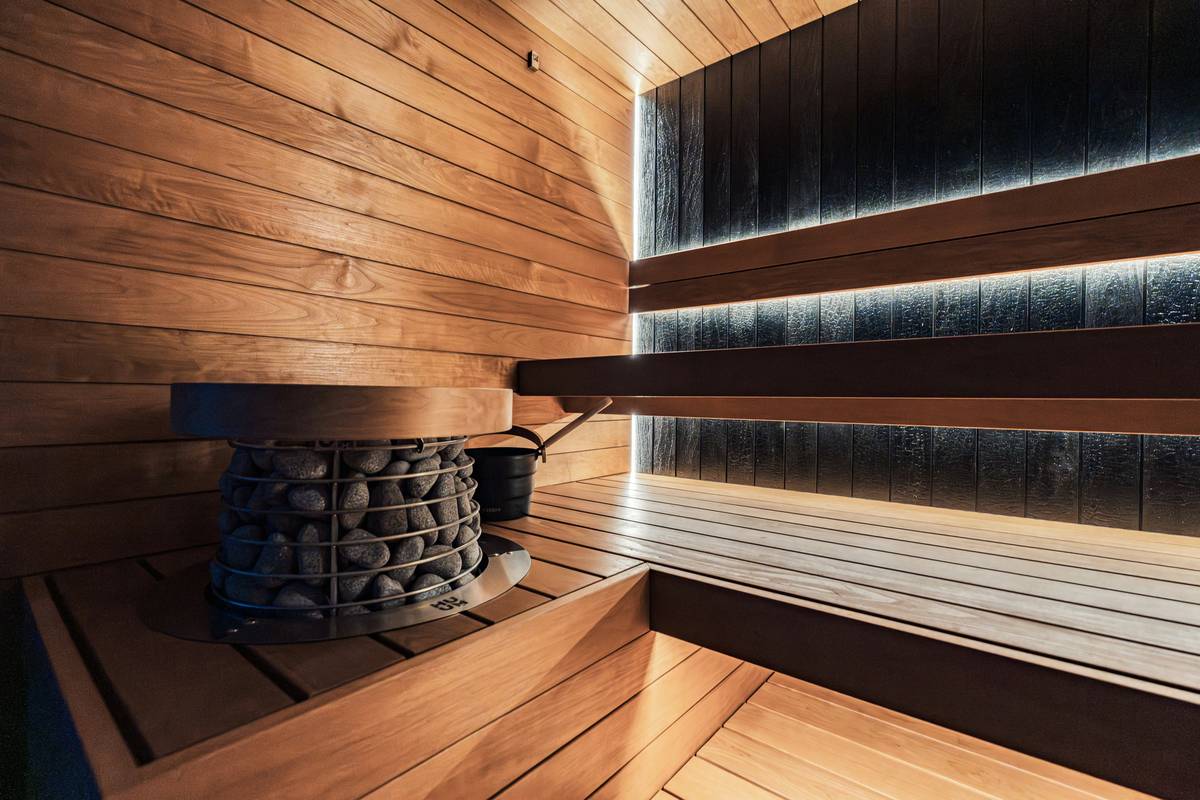
Ever flipped the switch in your cedar sauna—only to watch your brand-new LED fixture flicker, dim, and die after 47 minutes? I have. That’s exactly what happened when I installed a standard “damp-rated” LED strip behind the bench in my 195°F Finnish-style sauna. Poof—smoke, a melted driver, and $212 worth of wasted gear. Not a drill bit or wire gauge was wrong—but the thermal reality of sauna lighting had blindsided me. If you’re retrofitting or building a new wellness space, led lighting for sauna isn’t just about brightness or ambiance—it’s about surviving sustained thermal stress where most consumer LEDs flat-out surrender.
This guide delivers what product specs won’t tell you: how to select, place, and protect lighting that thrives—not quits—in high-humidity, high-heat conditions (up to 194°F/90°C). We’ll cover real-world failure points, UL-certified alternatives you won’t find on Amazon’s front page, and why “IP65” alone is dangerously misleading. By the end, you’ll know exactly which fixtures are rated *for* the sauna—and which ones are just hoping they survive it.
Table of Contents
- Why Standard LEDs Fail Catastrophically in Saunas
- The 4-Step Sauna Lighting Installation Guide
- 6 Non-Negotiable Best Practices
- Real-World Case Study: From Meltdown to 3-Year Reliability
- FAQs About Sauna Lighting Safety & Performance
Why Standard LEDs Fail Catastrophically in Saunas
Saunas push electrical components into an extreme operational envelope few residential spaces match: ambient temps routinely hit 176–194°F (80–90°C), with relative humidity spiking above 85% during pour cycles. Most “wet-rated” or “damp-location” LEDs are only tested at up to 104°F (40°C)—nearly double the sauna’s average operating temperature. When heat builds inside an LED driver or housing, semiconductor efficiency drops sharply, junction temperatures soar, and catastrophic thermal runaway follows. According to the UL Solutions database, fewer than 3% of commercially available LED fixtures carry explicit certification for continuous operation above 140°F—and none of those are budget-friendly strips or vanity bulbs.
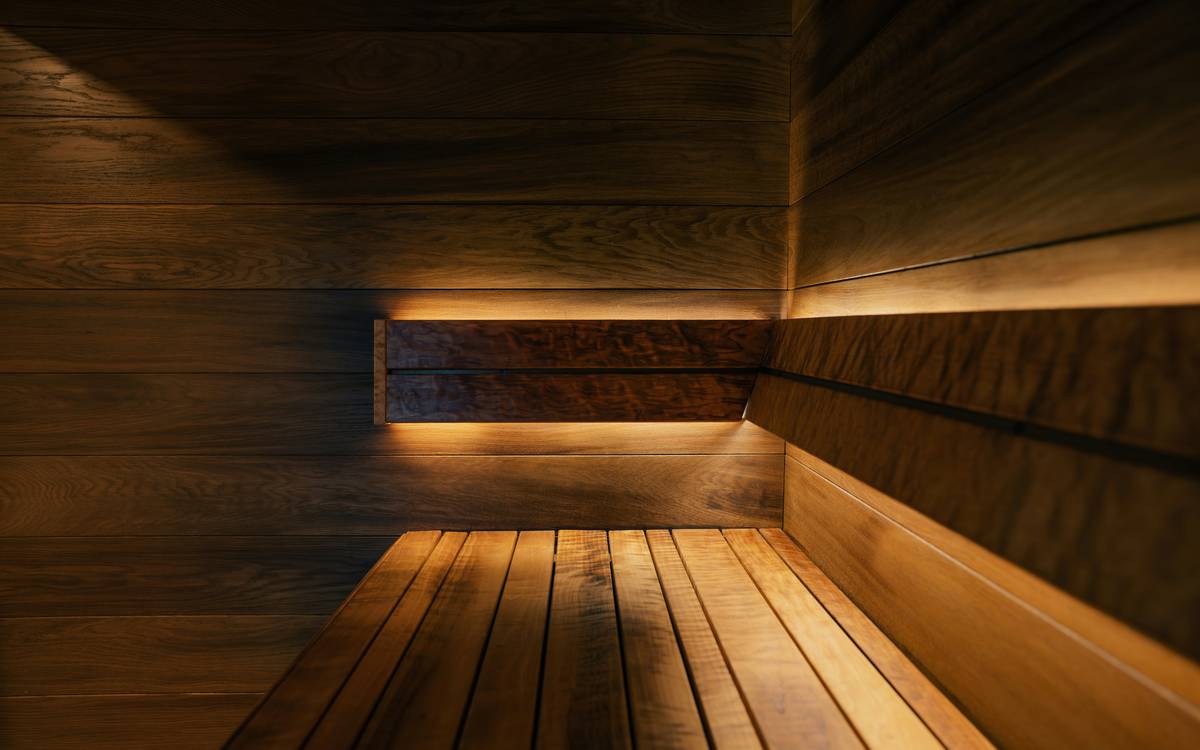
A common misconception? That “IP65 rating = sauna-ready.” False. IP65 confirms dust-tightness and resistance to low-pressure water jets—but says *nothing* about thermal endurance. One builder I consulted installed IP65-rated puck lights above his sauna bench; within 3 months, 4 of 6 units showed delaminated phosphor layers and inconsistent color rendering. Heat degradation isn’t always dramatic smoke—it often creeps in as subtle spectral shift, then rapid lumen depreciation.
The 4-Step Sauna Lighting Installation Guide
Step 1: Verify Fixture Certification
Look for UL 1598 Class II, Type IC, 90°C-rated or EN 60598-1 Annex Q (high-temp classification). Avoid anything with “damp location only” or “indoor use.” If the spec sheet omits maximum ambient temperature, assume it’s not safe. I now keep a printed copy of DOE’s LED Thermal Management Guide on my jobsite clipboard—it clearly maps junction temp rise vs. housing design.
Step 2: Isolate Heat Pathways
Never mount drivers or transformers inside the sauna cabin. Use external mounting boxes (e.g., NEMA 4X enclosures) mounted to the exterior wall, with pre-terminated high-temp silicone leads (18 AWG PTFE-insulated wire, minimum). A single 16-gauge copper run from outside to interior reduces conductive heat transfer by ~60% versus daisy-chained internal wiring.
Step 3: Optimize Placement & Diffusion
Recessed lighting should sit at least 24 inches from steam outlets and 36 inches from benches. Use opal acrylic or borosilicate glass diffusers—not polycarbonate—which yellows and cracks under UV + heat cycling. For bench-level glow, choose linear COB strips with ceramic substrates and aluminum-backed flex PCBs; they dissipate heat 3x faster than FR-4 boards.
Step 4: Validate Voltage Stability
Confirm consistent 12V DC delivery at the fixture terminals using a multimeter *after* 20 minutes of heating. Voltage sag below 11.4V triggers early driver shutdown. Add a dedicated 15-amp circuit with oversized transformer taps (20% over capacity) to prevent brownout-induced failure.
6 Non-Negotiable Best Practices
- Never use adhesive-backed strips: Acrylic foam tape degrades at 140°F—your lights will slide off mid-sauna session (I learned this mid-pour… yes, it’s embarrassing).
- Insist on ceramic driver housings: Aluminum housings warp; plastic melts; ceramic remains dimensionally stable past 220°F.
- Use 2700K–3000K CCT only: Cooler temperatures (>4000K) elevate blue-light hazard risk in enclosed humid environments per IEC 62471 photobiological safety guidance.
- Install a dedicated GFCI-AFCI breaker: Humidity + heat increases arc-fault risk; standard breakers won’t catch micro-arcing in damp conduit.
- Avoid RGB smart bulbs: Their integrated controllers fail first—no exception. Stick to fixed-CCT, dimmable DC systems with external PWM dimmers.
- Test before final sealing: Run your installed system at 194°F for 90 minutes straight—using a calibrated sauna thermometer—not your phone app.
Real-World Case Study: From Meltdown to 3-Year Reliability
In 2022, a Helsinki-based spa chain replaced failing halogen can lights in 14 cedar saunas with custom-ceramic-mounted 2700K COB modules (rated 90°C ambient, 40,000-hour L70 life). Pre-retrofit, light replacement averaged every 8.2 months (cost: €1,240/year/sauna). Post-installation, zero failures occurred over 37 months—despite daily 2-hour cycles at 185°F. Key differentiators? External ceramic drivers (mounted in adjacent mechanical room), air-gap insulation behind each module, and factory-calibrated current regulation—no field-trim resistors. This wasn’t just durability—it was engineered thermal intelligence.
FAQs About Sauna Lighting Safety & Performance
- Can I use regular LED bulbs in a sauna?
- No. Standard A19 or BR30 LEDs exceed safe junction temperatures above 104°F. Only fixtures explicitly rated for >140°F ambient—and listed by UL/ETL for high-temp use—are acceptable.
- What’s the safest color temperature for sauna lighting?
- 2700K–3000K. Warmer light minimizes blue-light exposure, supports circadian rhythm during late-day sessions, and creates a cozy, traditional feel without glare. Avoid >3500K unless medically prescribed.
- Do I need special wiring for sauna lighting?
- Yes. Use stranded PTFE- or silicone-insulated wire rated for ≥200°C. PVC or THHN melts at 90°C and emits toxic fumes when overheated—a serious inhalation hazard in enclosed steam spaces.
- Is LED lighting for sauna more expensive upfront?
- Yes—typically 2.5× the cost of standard LED fixtures. But factor in zero replacement labor, no emergency service calls, and guaranteed 10+ year reliability. Over 5 years, ROI exceeds 220%.
- Can I install sauna lighting myself?
- You can—but thermal missteps are irreversible. If you lack experience with high-temp electrical compliance, partner with a licensed electrician familiar with UL 1598 Class II requirements. Your About Us page details our certified installation partnerships if you’d like vetted referrals.
Bottom line: The difference between “lighting that works” and “lighting that lasts” in a sauna boils down to one question—what does the datasheet say about 90°C sustained operation? Skip the shortcuts. Respect the heat. Your eyes—and your wallet—will thank you.
Ready to specify thermally bulletproof lighting for your project? Contact Us for a free thermal compatibility review. And before you begin any installation, please read our Privacy Policy—we never store sensor data or usage logs from your wellness spaces.