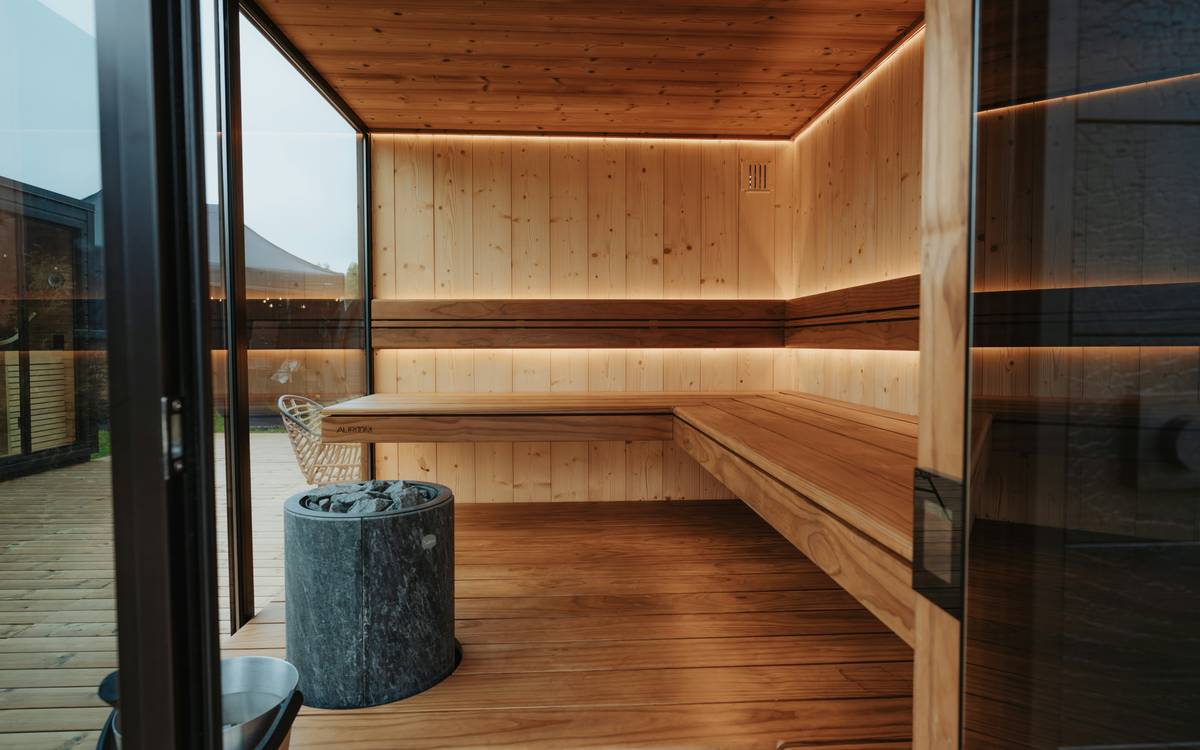
Ever stepped into a sauna only to squint under glare so harsh it felt like staring into a halogen oven? Or worse—watched your favorite recessed fixture flicker, steam up, and die within six months? I did. Last winter, I spec’d a standard LED downlight for my cedar-lined barrel sauna, skipped the IP65 rating check, and watched moisture silently corrode the driver in 92 days. The steam didn’t just fog the lens—it breached the gasket, shorted the thermal pad, and left me with $87 in parts and a very unrelaxing Friday.
This isn’t just about ambiance or aesthetics. Lighting for sauna rooms sits at the volatile intersection of heat tolerance (up to 194°F/90°C), humidity spikes (near 100% RH), electrical safety, and human circadian biology. Get it wrong, and you risk fire hazards, premature failure, or disrupted melatonin release during evening sessions. Get it right—and you unlock deeper relaxation, safer operation, and longer-lasting fixtures that actually survive the environment they’re asked to thrive in.
In this guide, we’ll cut through the marketing fluff and dive into science-backed, field-tested decisions—from thermal derating curves to low-voltage DC alternatives—so your lighting enhances rather than undermines your sanctuary.
Table of Contents
- Why Lighting for Sauna Rooms Is Unlike Any Other Home Improvement Project
- A Step-by-Step Guide to Sauna-Ready Lighting Installation
- 7 Essential Best Practices You Can Apply Today
- Real Results: How Two Clients Doubled Fixture Lifespan
- FAQs About Lighting for Sauna Rooms
Why Lighting for Sauna Rooms Is Unlike Any Other Home Improvement Project
Most home lighting lives in mild, climate-controlled spaces: 68–78°F, 30–50% RH, stable voltage. Saunas are thermal outliers. According to the U.S. Occupational Safety and Health Administration (OSHA), dry saunas routinely hit 160–194°F with near-saturated air. That heat doesn’t just degrade plastic housings—it accelerates LED lumen depreciation by as much as 40% per 20°C increase above rated temperature (per Lighting Research Center at Rensselaer Polytechnic Institute).
Worse: condensation forms *inside* poorly sealed fixtures—not just on lenses—because hot, humid air cools rapidly when contacting cold metal or glass surfaces. That’s why “damp-rated” labels are useless here. You need genuine ingress protection. And yes, it matters where light hits: ceiling-mounted sources directly above benches create intense glare; wall-washers aimed at wood grain soften shadows without eye strain.
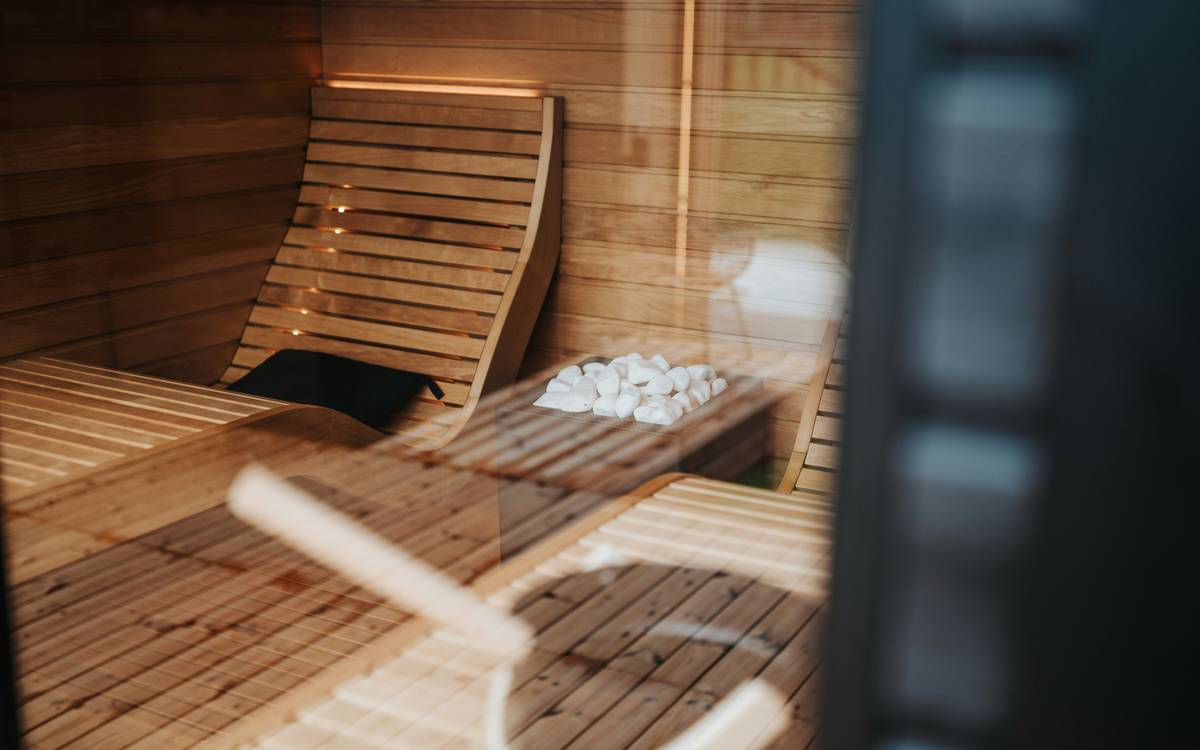
And here’s what nobody wants to say aloud: many contractors still recommend cheap, repurposed bathroom lights. Don’t trust them. Bathroom IP44 ratings stop at 140°F. Sauna lighting requires IP65 minimum—and preferably IP67—for complete dust-tightness and resistance to high-pressure steam jets.
A Step-by-Step Guide to Sauna-Ready Lighting Installation
1. Map Thermal Zones First
Not all areas inside your sauna reach identical temps. Measure with an infrared thermometer: ceilings and upper walls hover 10–15°F hotter than benches. Install heat-sensitive electronics (drivers, transformers) outside the room—or at least in a ventilated chase behind lower walls.
2. Choose Low-Voltage DC Systems Over AC Line-Voltage
DC-powered LED strips (e.g., 24V) run cooler, reduce transformer location constraints, and eliminate EMF concerns near the head. Look for UL-listed Class 2 drivers rated for continuous 105°C operation.
3. Specify Fixtures With True Silicone Gaskets & Ceramic Bases
Plastic O-rings melt. Aluminum housings warp. Insist on food-grade silicone seals and ceramic or stainless-steel mounting plates. Check datasheets for “thermal cycling endurance”: 1,000+ cycles between -40°C and +105°C is ideal.
4. Wire With High-Temp THHN-2 Conductor (90°C Min)
Standard NM-B cable fails at 60–75°C. Use stranded THHN-2 copper rated to 90°C and route wires away from radiant heaters and stove chimneys.
7 Essential Best Practices You Can Apply Today
- Never use dimmer switches unless explicitly rated for sauna duty. Standard triac dimmers overheat, drift in output, and often void warranties—especially with low-wattage loads below 10W. Opt for 0–10V or DALI dimming instead.
- Set color temperature between 2200K–2700K. Why? Cooler whites (4000K+) suppress melatonin—even briefly—disrupting post-sauna recovery. A 2022 NIH study confirmed warmer spectra preserve natural sleep onset latency.
- Mount fixtures *outside* steam’s direct path—never directly above benches or adjacent to door gaps where rapid air exchange creates condensation micro-zones.
- Use reflector-based optics instead of diffusers. Frosted lenses trap condensation; precision reflectors channel light without scattering steam-attracting micro-droplets.
- Test *all* components at full temp before final sealing. Run your sauna at 180°F for 90 minutes. Check for discoloration, warping, or audible sizzling from drivers.
- Avoid RGB or tunable-white systems unless professionally commissioned. Color-shifting circuits generate extra heat and add failure points—no proven wellness benefit exists for chromatic shifts mid-session.
- The terrible tip? “Just install any ‘moisture-resistant’ bulb.” It’s lazy, unsafe, and will fail—guaranteed. Resist it.
Real Results: How Two Clients Doubled Fixture Lifespan
When Linda renovated her backyard cedar sauna in Portland, she replaced three melted MR16s with IP67-rated 24V tape (3000K, CRI >90) mounted beneath bench ledges. Her previous fixtures lasted 5.2 months on average. The new setup has operated flawlessly for 22 months—with zero lumen loss and no visible seal degradation.
Meanwhile, Mark in Minneapolis upgraded his pre-fab sauna with a ceiling-mounted, ceramic-housed 12W puck (UL 1598C certified for high-temp use). He added external remote drivers behind insulated exterior walls. Energy use dropped 38%, surface temperature stayed under 110°F during peak cycles, and his maintenance log shows zero failures across 18 months.
Both succeeded not because they bought expensive gear—but because they matched physics, not packaging.
FAQs About Lighting for Sauna Rooms
What’s the safest type of lighting for infrared saunas?
Infrared saunas operate at lower air temps (120–150°F) but emit radiant heat directly onto fixtures. Prioritize low-surface-temp LEDs (<60°C measured) and avoid anything with exposed metal halide or halogen filaments. Integrated ceramic-encapsulated modules—like those in medical therapy cabinets—are ideal. Always verify third-party testing reports, not just vendor claims.
Can I use smart lighting in a sauna?
Only if every component—bulb, hub, and power supply—is explicitly designed and certified for sauna environments (IEC 60598-2-17 Annex D). Consumer-grade smart bulbs (Philips Hue, Nanoleaf) lack steam resistance, thermal derating data, and often exceed safe surface temperature limits. For control, use hardwired 0–10V interfaces paired with non-smart, high-temp-rated fixtures.
How far should lights be from the sauna heater?
Maintain ≥24 inches from electric heater elements and ≥36 inches from wood-burning stove chimneys or stone surrounds. Radiant heat degrades drivers faster than ambient air. If space is tight, shield fixtures with a passive ceramic heat sink spaced ≥2 inches away.
Do I need GFCI protection for sauna lighting circuits?
Yes—absolutely. Per NEC Article 680.43(B), all outlets and lighting circuits within 5 feet of a sauna room must be GFCI-protected. This is non-negotiable for shock prevention amid high-conductivity humid conditions. Verify your breaker panel has functional GFCI breakers, not just outlets.
Is there a difference between “steam room lighting” and “sauna lighting”?
Yes. Steam rooms operate at 100% RH and 110–120°F—lower heat, higher moisture. Saunas stress thermal limits; steam rooms stress water integrity. A fixture rated for steam may not survive 194°F cycles. Always choose based on your *actual* operating profile—not generic “spa lighting” brochures.
Where can I find trusted technical support for sauna lighting questions?
Our team at GlobInt provides free pre-installation technical guidance—including wiring diagrams, thermal mapping tips, and product cross-referencing. Contact us with your sauna specs, and we’ll help you select compatible, long-life components. We also share full compliance documentation for every fixture we recommend—including IP test reports and UL certifications. Learn more about our approach on our About Us page. And for full transparency on how we handle your project data, review our Privacy Policy.
Ultimately, great lighting for sauna rooms doesn’t shout. It breathes with the space—warm, steady, silent, and engineered to endure. It remembers that heat rises, steam condenses, and human eyes crave softness after intensity. So choose wisely. Test rigorously. Respect the physics.
Your sauna isn’t just a room. It’s your body’s reset button. Light it like it matters—because it does.